

When this occurs, the partner sees what their partner is capable of yet doesn’t experience this privately. The non-narcissistic partner is thrown into confusion and the mistaken belief that they are the cause. When they want to move out of isolation and speak their truth, they don’t expect to be believed. https://ecosoberhouse.com/article/5-tips-of-how-to-maintain-recovery-motivation/ In addition to problem recognition, important factors that might maintain or change drinking behavior are expectancies and evaluations of problems. People with narcissistic personality disorders share similar traits with addicts, and both types of narcissistic personality disorder may lead to addiction.
Overt vs. Covert Narcissists
- This study concluded that people with grandiose narcissism are more able to evaluate and recognize their problems with alcohol than people with vulnerable narcissism.
- Covert narcissism is characterized by the same behaviors of overt narcissism that are displayed in less obvious, more subtle ways.
- They also tend to have a low tolerance for stress and will often give up and walk away than deal with it.
- For this reason, mental health professionals will routinely screen for substance abuse when diagnosing a personality disorder or screen for behavioral concerns when a person has a substance abuse disorder.
And those feeling of support and admiration, however sincere or surface-level, may feel like a boon to your self-esteem. Not everyone with a narcissistic personality engages in abusive behaviors. And not all abusive behaviors, covert or not, are a result of narcissistic traits.
How Rehab Thailand Can Help a Person with Narcissism and Drug Addiction
Covert narcissism is more strongly linked to introversion than other types of narcissism. But paying attention to how someone responds to real or perceived criticism can offer more insight into whether you’re looking at narcissistic sensitivity. But setting and respecting boundaries are foundations for an emotionally secure relationship. You may want to start by determining which relationship behaviors you’re not willing to tolerate. Then, try to detect patterns of behaviors that make you feel uncomfortable or hurt. When a narcissist is discarding you, it’s crucial to prioritize self-care and set clear boundaries.
Signs of Covert Narcissistic Abuse and How to Heal
If someone you know exhibits destructive, selfish behavior—and can’t be held accountable for it due to their drinking—it can be hard to decipher if you’re dealing with an alcoholic or a narcissist. You should start by exploring peer support groups like Al-Anon that help families and loved ones living with people with AUD. You can also find narcissist abuse support groups, both online or in-person, through organizations like Help Within Reach. There are numerous other online support groups and chat rooms dedicated to loved ones living with alcoholism and NPD.
Is covert narcissism more common in men or women?
Feeling powerless in any situation is distressing as they fiercely desire control. The intricate dynamics of these two types of personalities reveal a complex interplay of power dynamics and manipulation. By refusing compliance, seeking validation from allies, and utilizing legal action when necessary, we show covert narcissism and alcoholism that manipulation won’t go unchallenged. This highlights the urgent need for awareness, intervention, and support for those affected by this complex and harmful dual diagnosis. Recognizing the link between narcissism, mental, and physical health is crucial in addressing the root causes of the behavior.
However, instead of arrogance and self-importance, covert narcissists are often shy and withdrawn. They also may appear to focus attention on others when it’s actually attention they seek for themselves. Grandiose narcissism was also a significant predictor of a positive alcohol problem evaluation, over and above alcohol use, social desirability and vulnerable narcissism.
Healing Steps: Recovering from a Toxic Relationship
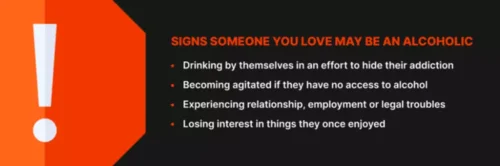
On the other hand, overt narcissists exhibit grandiosity and seek constant admiration, making their controlling and demanding behavior more overt and noticeable. In the case of a covert narcissist, alcohol consumption may exacerbate manipulative tendencies or intensify feelings of superiority. This combination can potentially lead to more pronounced harmful behaviors and strained relationships. Covert narcissists can be difficult to recognize at the outset of a relationship. Many people have fallen victim to the manipulative behaviors of a covert narcissist without realizing what has happened until they are already in emotional pain.
Establishing clear boundaries is essential in safeguarding one’s well-being and fostering healthier relationships. Tangled in a web of deception and self-centeredness, the covert narcissist alcoholic’s story unfolds with unexpected twists and turns. However, treatments like psychotherapy, group support, and self-care strategies can help people with either condition feel much better.